
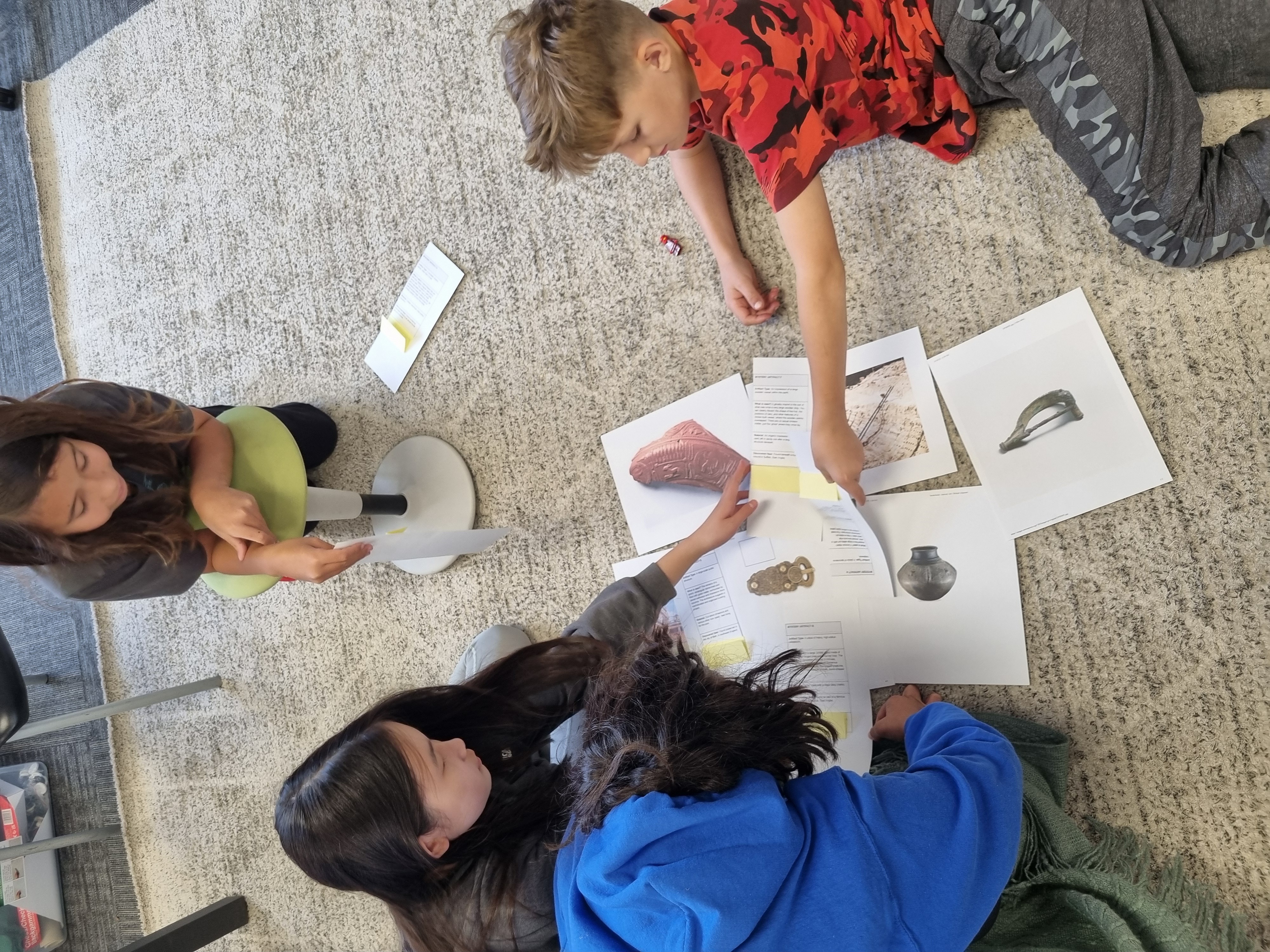


Ignites Curiosity through Socratic Inquiry Instead of lecturing, Guides ask powerful, open-ended questions. They challenge learners to think critically, defend their reasoning, and find their own answers, ensuring the "cognitive heavy lifting" stays with the student.
Architects the Environment and Quests Guides spend their time "behind the scenes" designing immersive, hands-on projects (Quests) and gathering the world-class resources learners need to explore. They set the stage so that the path to discovery is clear and exciting.
Coaches Self-Management and Resilience While technology handles the "basics," the Guide focuses on the human skills. They coach learners on goal-setting and time management, helping them stay focused and encouraged when navigating the iteration cycle of a difficult project.
Protects the "Tribe" and the Social Contract The Guide acts as a guardian of the studio culture. They hold up a mirror to the community, helping learners uphold their own self-created rules and use peer-led mediation to resolve conflicts with kindness and accountability.
Cultivates Agency by Stepping Back A Guide’s greatest skill is knowing when not to intervene. By resisting the urge to "save" a child from a minor mistake, they allow natural consequences to teach the most valuable lessons in independence and problem-solving.

Socratic Discussions and self paced challenges equip young heroes to be independent lifelong learners.

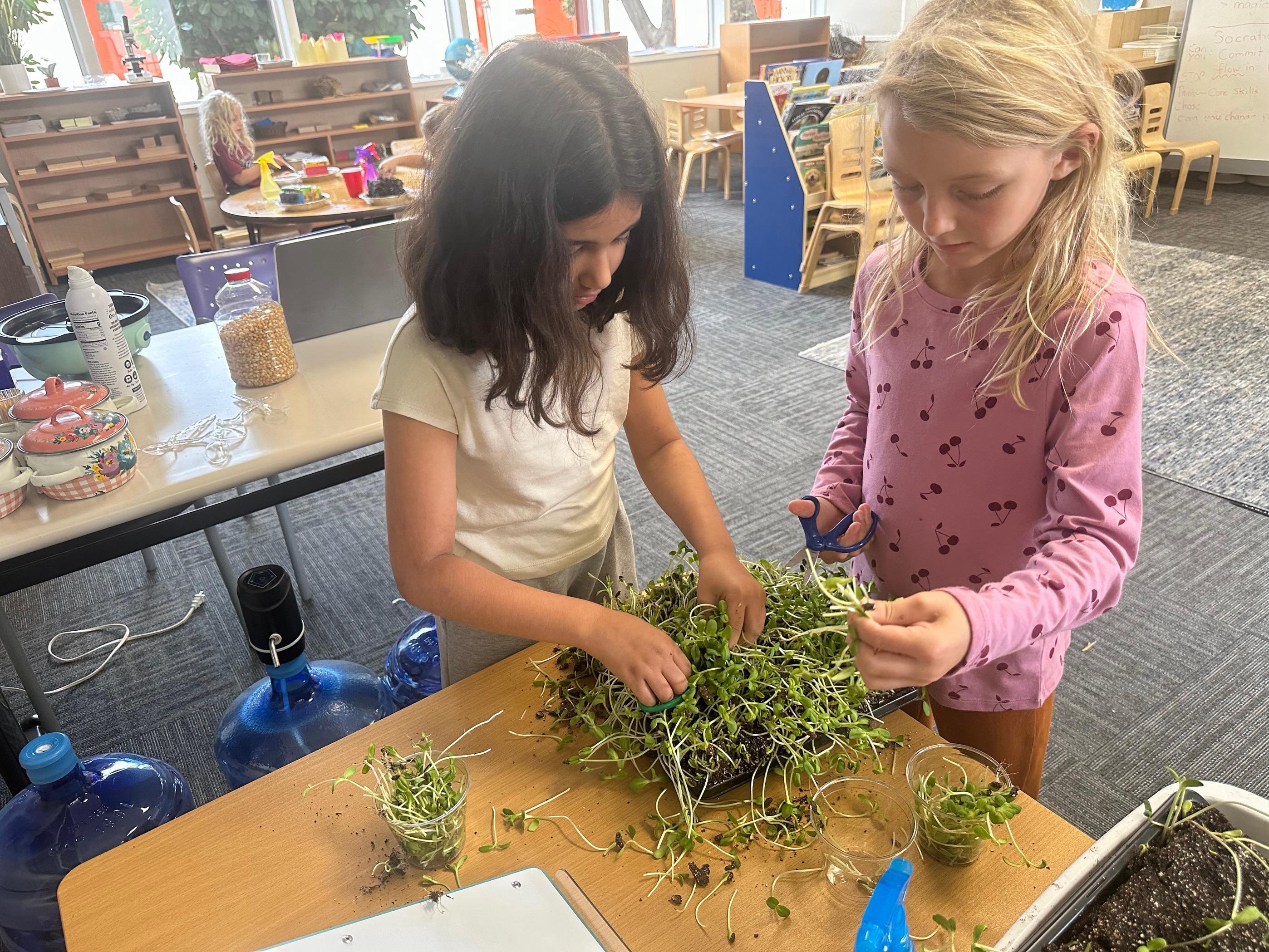
Hands-on Quests for Science, Entrepreneurship, and the Arts prepare children for Apprenticeships and real-world challenges.

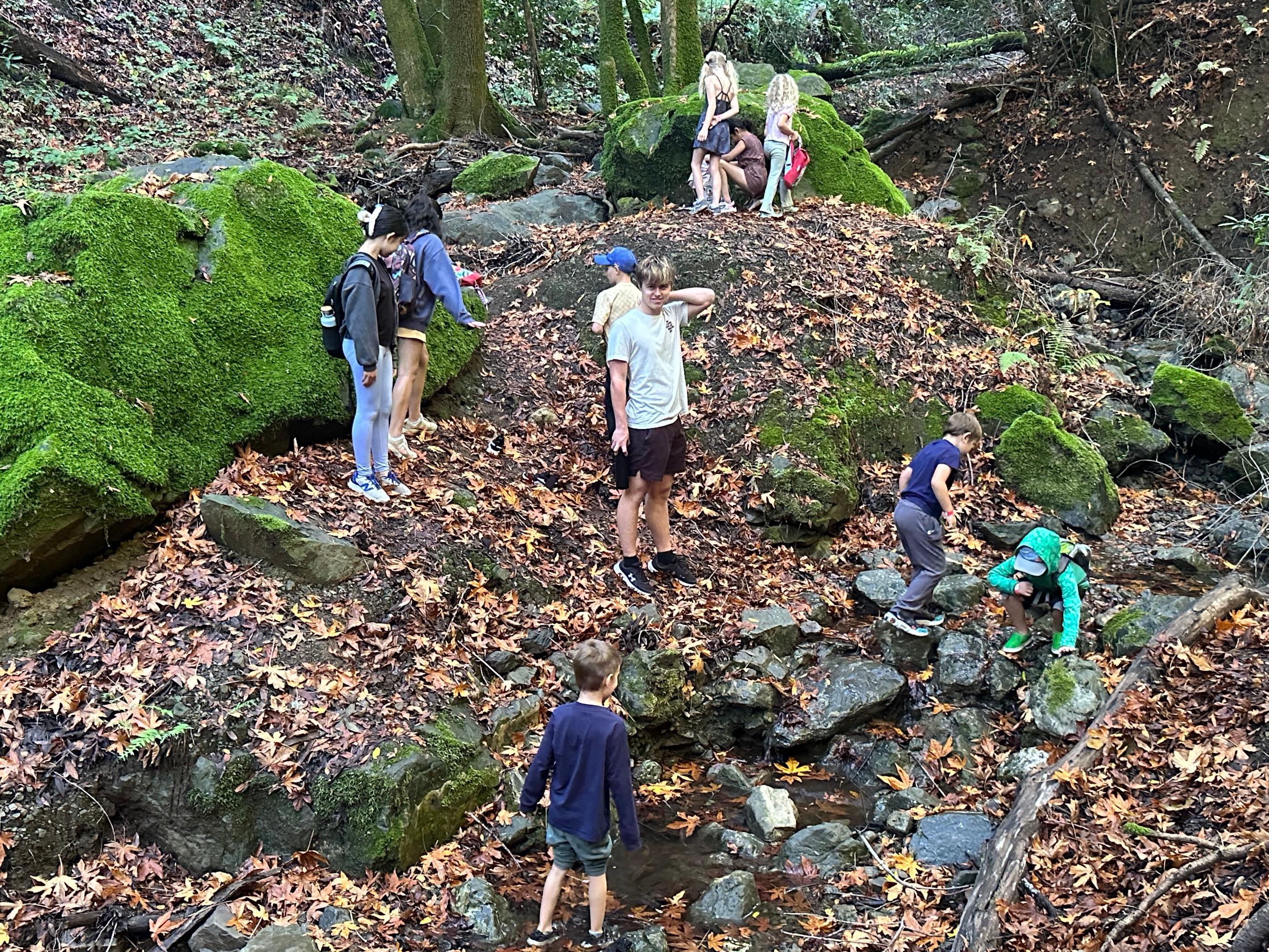
The Hero's Journey, relational covenants and real world consequences transform difficult decisions into virtuous habits. Through morning wellness activities such as reflection, a nature walk, yoga, or meditation, learners are better equipped to understand the powerful role they play in the world.

Develop a deep understanding and proficiency in the core academic skills of reading, writing, and mathematics, laying a solid groundwork for future learning and success.
Learners track progress through mastery badges in core skills such as reading, writing, math, and spelling, alongside character growth through Servant Leader badges. In our Discovery Studio, learners take the nationally normed MAP Growth assessment annually in Reading, Language, Math, and Science. Results are used to inform goal setting, guide instruction, and track growth over time, not to rank or compare learners.
At the end of each four to six week sprint, learners present their work in public exhibitions. These exhibitions require learners to explain their thinking, defend their choices, and demonstrate depth of understanding to families and peers, mentors and experts.
Self management and self governance are assessed through regular peer feedback and reflection, helping learners build accountability, collaboration, and the habit of evaluating their own growth, skills essential for long term independence and success.


The Socratic method emphasizes questioning to foster independent thought.
Active participation in discussions keeps students engaged and motivated.
Regular Socratic discussions enhance reasoning abilities and problem-solving skills.
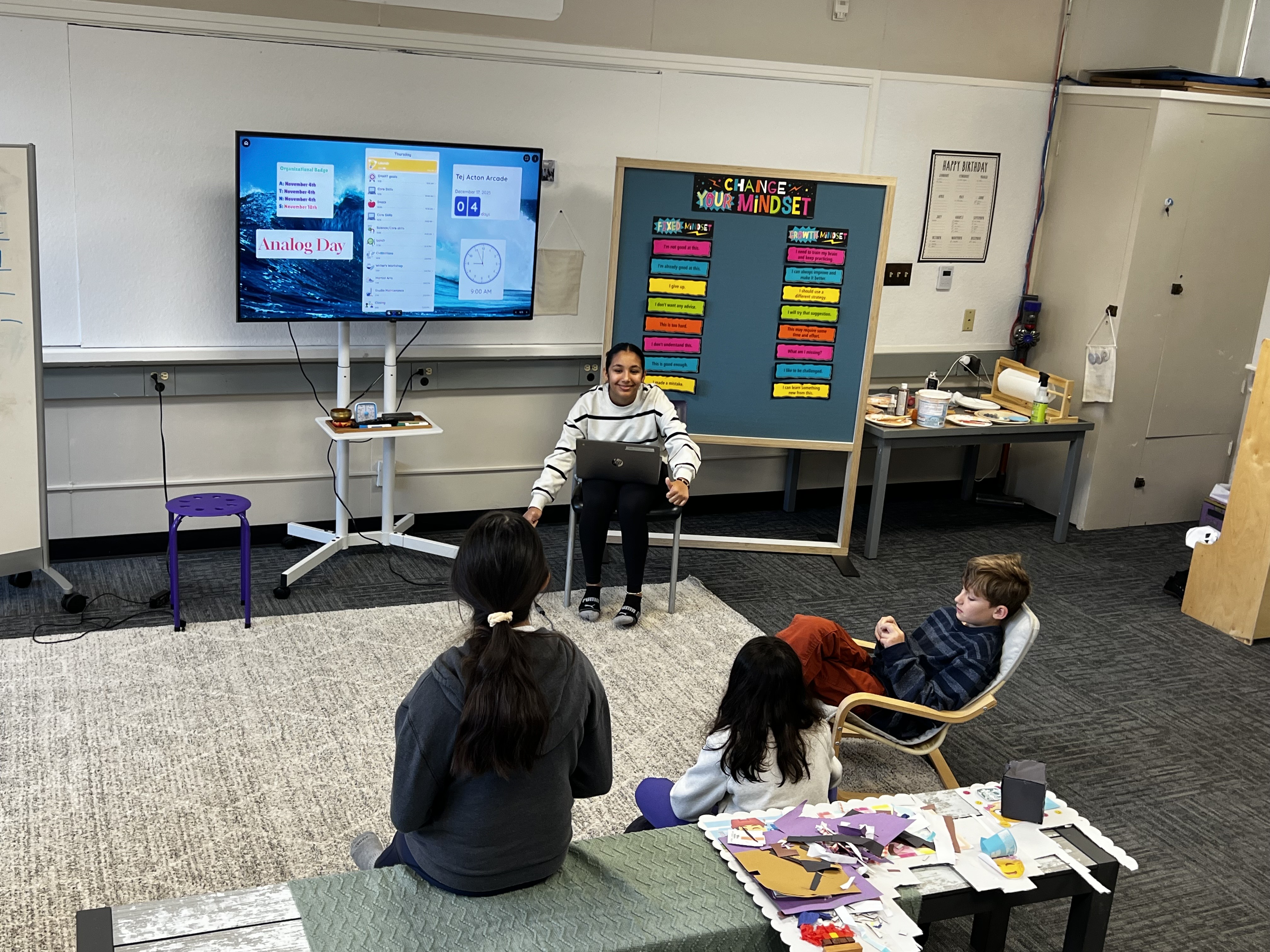
Acton's learner-driven model empowers students to take charge of their education.
Personalized learning paths ensure education is engaging and effective.
Encouraging students to direct their learning journey instills a lifelong love for education.


